Exploring the Role of Custom Blends in Sustainable Food Packaging
The Importance of Custom Blending Solutions in Food Packaging
Understanding Custom Blends in Food Ingredients
Custom blending solutions play a pivotal role in the food and beverage industry by creating tailored food ingredients that meet specific consumer demands and enhance product quality. Custom blends allow manufacturers to combine various food ingredients to achieve desired flavor profiles, nutritional content, and functional benefits. For instance, beverage manufacturers often utilize custom blends of juice concentrates to create unique flavors that appeal to target demographics. This tailored approach not only enhances the sensory experience for consumers but also addresses dietary needs and preferences, driving customer loyalty. As taste and health consciousness continue to evolve, the demand for innovative custom blends grows, prompting manufacturers to invest in advanced blending techniques and quality control measures.
The Role of Custom Blending in Sustainable Practices
Custom blending solutions contribute significantly to sustainable practices within the food packaging sector. By optimizing ingredient combinations, manufacturers can reduce waste and minimize the use of preservatives and artificial additives. Sustainable food packaging often incorporates biodegradable or recyclable materials, and custom blends can enhance the performance of these materials. For example, a custom blend of natural food ingredients can extend shelf life, reducing the need for excessive packaging and promoting environmental responsibility. Furthermore, when companies align their custom blending processes with sustainable sourcing practices, they can ensure that their ingredients are ethically sourced and produced. This commitment to sustainability resonates with consumers who increasingly prioritize eco-friendly products, thereby enhancing brand reputation and market reach.
Innovative Approaches to Flexible Packaging
Flexible packaging stands out as a transformative approach within the food and beverage industry, enabling manufacturers to deliver products efficiently while reducing environmental impact. Custom blending solutions play an essential role in developing flexible packaging materials that meet the diverse needs of food products. Innovations in flexible packaging technology, such as the incorporation of barrier films and enhanced sealing methods, allow for longer shelf life and reduced spoilage. Additionally, custom blends can improve the structural integrity of these materials, ensuring they withstand various environmental conditions during transportation and storage. By integrating custom blending into flexible packaging solutions, manufacturers can create sustainable alternatives that not only preserve product quality but also align with consumer demand for convenience and eco-friendliness.
Types of Packaging in the Food and Beverage Industry
Primary Packaging: Protecting the Product
Primary packaging serves as the first line of defense in protecting food and beverage products from external contaminants, ensuring safety and quality. It encompasses the materials directly in contact with the product, such as bottles for juices, pouches for snacks, and cartons for dairy products. Custom blending solutions enhance primary packaging by allowing manufacturers to tailor the composition of materials. For example, incorporating custom blends of additives can improve barrier properties against oxygen and moisture, preserving freshness and extending shelf life. Moreover, advancements in food ingredient technology enable the development of lightweight and durable primary packaging options that reduce material usage without compromising safety. This dual focus on protection and sustainability positions primary packaging as a crucial element in the overall food packaging strategy.
Secondary Packaging: Enhancing Shelf Appeal
Secondary packaging plays a vital role in the marketing and presentation of food and beverage items. This layer of packaging encompasses boxes, cartons, and wrappers that group primary packages together for branding and display purposes. Custom blending solutions can enhance the visual appeal and functionality of secondary packaging. For instance, a custom blend of inks and coatings can create eye-catching graphics while providing resistance to environmental factors. Packaging that stands out on store shelves captures consumer attention, influencing purchasing decisions. Additionally, secondary packaging must balance aesthetics with practicality, ensuring that it protects the primary packaging during transportation and storage. By utilizing custom blends, manufacturers can achieve this balance, contributing not only to a product's market success but also to the overall consumer experience.
Flexible Packaging: A Sustainable Choice
Flexible packaging continues to gain traction as a sustainable choice in the food and beverage industry. It offers numerous benefits, including reduced material usage, lower transportation costs, and the potential for recyclability. Custom blending solutions significantly enhance flexible packaging by allowing manufacturers to create materials that cater to specific product requirements. For example, custom blends of bioplastics and traditional materials can result in packaging that is both functional and environmentally friendly. This innovation aligns with consumer preferences for sustainable products and helps brands stand out in a competitive marketplace. Additionally, flexible packaging can be designed to minimize waste, further contributing to sustainability goals. By investing in custom blending for flexible packaging, companies not only meet market demand but also take meaningful steps toward environmental responsibility.
Batch Production and Custom Blending Services
The Science Behind Batch Production
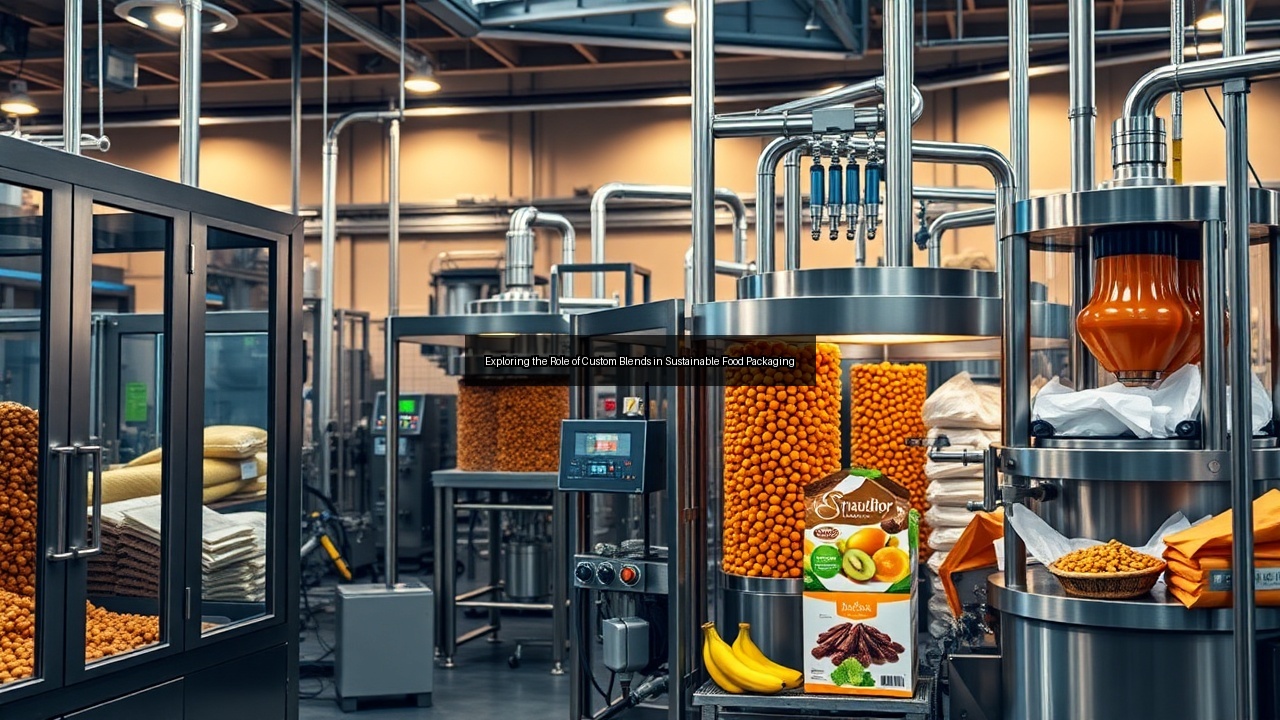
Batch production refers to the manufacturing process where a specific quantity of a product is produced at one time. This method is prevalent in the food and beverage industry, particularly for custom blending solutions. The science behind batch production involves precise measurements, consistent mixing, and quality control to ensure that each batch meets established standards. Custom blending services often utilize sophisticated equipment to achieve uniformity in texture, flavor, and appearance across batches. Moreover, batch production allows for flexibility, enabling manufacturers to create varied custom blends tailored to market demands without significant downtime or resource waste. This efficiency in production not only enhances product quality but also supports manufacturers in responding quickly to consumer trends.
Benefits of Custom Solutions for Blending
Custom solutions for blending offer numerous advantages to food and beverage manufacturers. Primarily, these solutions enable the creation of unique products that differentiate brands in a crowded marketplace. The ability to tailor food ingredients according to specific consumer preferences allows companies to capture niche markets effectively. Custom blending also leads to improved product consistency, ensuring that each batch meets the desired specifications. This consistency builds consumer trust and loyalty, as customers can rely on the quality of their favorite products. Furthermore, custom blending solutions can optimize production efficiency, reducing waste and lowering costs. By aligning blending processes with operational goals, manufacturers can enhance profitability while maintaining high-quality standards.
Aligning with GFSI and USDA Standards
Compliance with industry standards is crucial for food and beverage manufacturers, especially when implementing custom blending solutions. The Global Food Safety Initiative (GFSI) and the United States Department of Agriculture (USDA) set rigorous guidelines that ensure food safety and quality. Custom blending services must adhere to these standards, incorporating best practices in sourcing, processing, and packaging. This alignment not only safeguards consumer health but also enhances brand reputation. Manufacturers that prioritize compliance demonstrate a commitment to quality and transparency, which resonates with increasingly discerning consumers. Additionally, meeting GFSI and USDA standards can provide access to broader markets, further solidifying a company’s position in the competitive food and beverage landscape. By integrating these guidelines into custom blending processes, manufacturers can foster innovation while ensuring safety and quality.
See Also
- Custom Solutions for Blending that Drive Customer Satisfaction
- From Concept to Creation: The Journey of Custom Blends
- Custom Blending Solutions that Transform Beverage Experiences
- The Future of Food Ingredients Driven by Custom Blending Innovations
- Custom Blending Solutions as a Catalyst for Beverage Industry Trends