The Art of Laser Cutting Metals with 5 Axis Laser Technology
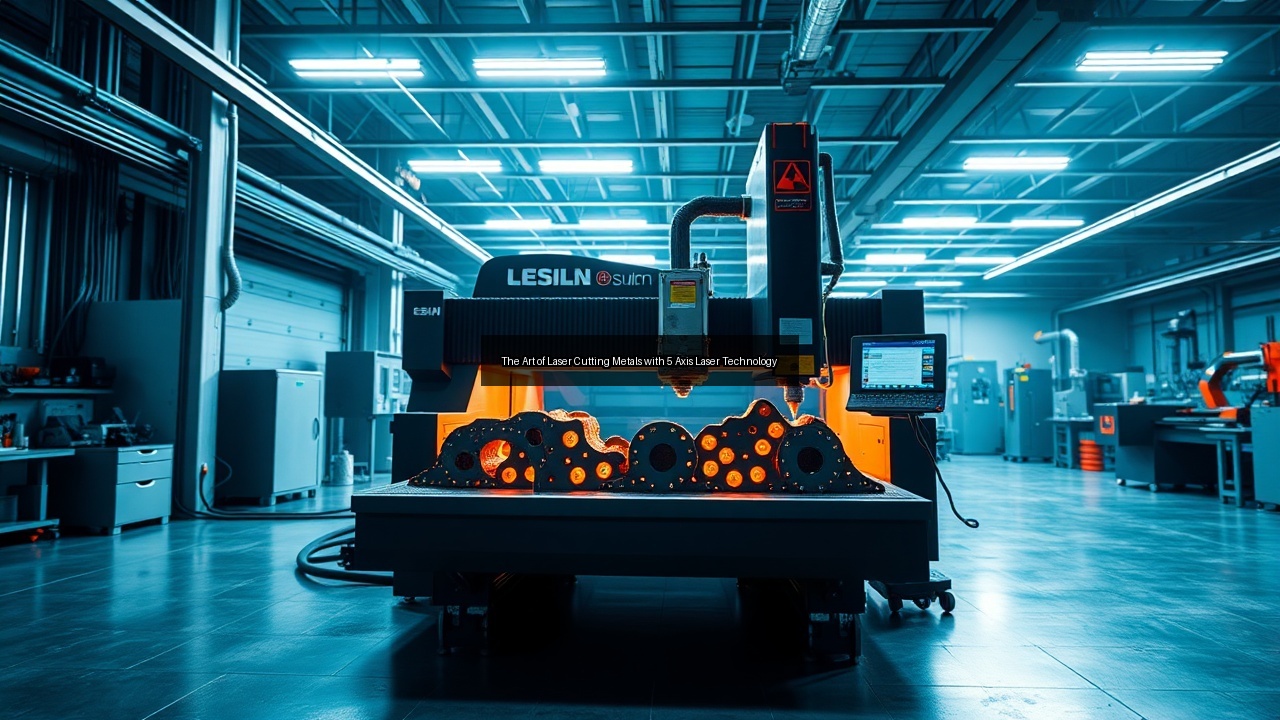
Understanding 5 Axis Laser Cutting Technology
Overview of Laser Cutting Technologies
Laser cutting technologies rely on focused beams to slice through materials with speed and control. Traditional 2D and 3D systems handle flat sheets or basic contours, yet they limit movement to fewer directions. Engineers turn to 5 axis laser cutting when projects demand complex angles and curves on metal parts. This approach combines a high-power laser with five independent axes of motion, allowing the beam to reach surfaces from multiple orientations without repositioning the workpiece. Shops that adopt this method reduce setup time and produce intricate shapes that older equipment cannot match. The result appears in everything from aerospace brackets to automotive prototypes where tight tolerances matter most.
What Makes 5 Axis Different?
Five axis laser cutting adds two rotational movements to the standard three linear axes. The laser head tilts and rotates while the material stays fixed or moves along X, Y, and Z. This freedom lets operators cut undercuts, bevels, and compound angles in one continuous pass. Conventional three-axis machines require multiple setups or fixtures that introduce error and waste time. With 5 axis laser technology, a single program completes the entire feature set. The cutter maintains consistent beam angle and focus distance, which improves edge quality on thick plates. Fabricators notice fewer secondary operations because the part exits the machine ready for assembly or coating.
Applications of 5 Axis Laser Cutting in Metal Fabrication
Metal fabrication shops use 5 axis laser cutting for HVAC ductwork elbows, stamped die components, and structural brackets that feature angled flanges. The process handles stainless steel, aluminum, and titanium without tool wear. Automotive suppliers cut exhaust manifolds and chassis reinforcements that require precise weld prep angles. Aerospace teams produce titanium fittings with internal passages that demand access from several directions. Job shops serving the stamping industry cut blanking dies and trim tools faster than milling alone. Each sector gains shorter lead times and consistent part geometry across production runs.
The Laser Cutting Process Explained
Step-by-Step Breakdown of Laser Cutting
Operators begin by loading a CAD file into the machine control. The software generates toolpaths that account for the five axes and material thickness. After securing the sheet or plate, the laser cutter activates assist gas and begins the cut sequence. The beam melts or vaporizes metal while the head follows the programmed path at variable speeds. Sensors maintain standoff distance even on warped stock. When the contour finishes, the part drops free or remains tabbed for easy removal. Post-cut inspection confirms dimensions and edge quality before the next batch loads.
Materials Best Suited for Laser Cutting
Mild steel, stainless steel, and aluminum alloys respond well to 5 axis laser cutting because they absorb the beam efficiently. Thicknesses from 0.5 mm up to 25 mm work reliably with proper power settings. Reflective metals such as copper require coated surfaces or specialized wavelengths. High-strength alloys used in stamping tools cut cleanly when assist gas pressure and focus are tuned correctly. Fabricators avoid excessive heat input on thin gauges to prevent distortion, while thicker sections benefit from the multi-axis approach that distributes heat more evenly along complex paths.
Safety Measures in Laser Cutting Operations
Facilities enclose the laser cutter with interlocked guards that stop the beam if opened. Operators wear appropriate eye protection rated for the wavelength in use. Proper ventilation removes fumes generated when cutting coated or galvanized metals. Regular calibration of the five axes prevents unexpected head movement that could damage equipment or injure staff. Fire suppression systems stand ready near the cutting zone, and training covers emergency shutdown procedures. These steps keep production steady while protecting personnel during extended runs.
Advantages of Using 5 Axis Laser Cutting
Precision and Accuracy in Metal Cuts
5 axis laser cutting delivers edge accuracy within ±0.1 mm on most metals because the beam follows the programmed path without mechanical deflection. The additional rotary axes maintain perpendicularity or specific bevel angles throughout the cut. This consistency reduces variation between parts and lowers scrap rates. Engineers trust the process for features that must align during later welding or riveting steps. The laser leaves a narrow kerf that preserves material and allows nesting of multiple components on one sheet.
Versatility in Design and Production
Designers gain freedom to create parts with compound curves and angled holes that would otherwise require casting or extensive machining. A single 5 axis laser cutting service can switch from prototype to production quantities without new tooling. Shops produce one-off HVAC fittings in the morning and high-volume stamping fixtures in the afternoon. The same equipment handles both thin decorative screens and heavy structural brackets, giving fabricators flexibility to accept varied contracts.
Cost-Effectiveness of 5 Axis Laser Cutting Services
Reduced setup time and fewer fixtures lower overall project costs. One continuous operation replaces multiple milling or drilling stations. Material utilization improves through optimized nesting that accounts for five-axis reach. Customers report shorter lead times because parts leave the machine nearly finished. Service providers that invest in 5 axis laser cutting equipment pass savings to clients through competitive pricing on complex geometries that competitors cannot quote efficiently.
The Role of Software and CNC Machining in Laser Cutting
Integration of CAM Software in Laser Cutting
CAM software translates 3D models into precise five-axis toolpaths. It simulates the cut sequence to detect collisions between the laser head and the part or fixture. Nesting modules arrange parts to maximize sheet usage while respecting material grain and thickness variations. Post-processors output code that matches the specific machine kinematics. Operators review the simulation on-screen before committing material, which eliminates costly trial runs on expensive alloys.
The Importance of CNC Machining in Metal Fabrication
CNC machining complements laser cutting when features require tighter tolerances or specific surface finishes. After laser cutting creates the rough profile and angled holes, a five-axis mill can finish critical bores or mating faces. Shops combine both processes on the same part to shorten total cycle time. The laser removes bulk material quickly while the mill adds precision where needed. This hybrid workflow supports industries that demand both speed and accuracy in metal fabrication.
Future Trends in Laser Cutting Software
Developers add real-time monitoring that adjusts power and speed based on sensor feedback during the cut. Cloud-based CAM platforms allow remote programming and job tracking across multiple facilities. Machine learning algorithms predict optimal parameters for new material grades, reducing setup trials. Integration with ERP systems schedules jobs automatically based on material availability. These advances keep 5 axis laser cutting competitive as part complexity continues to rise.
Choosing the Right Laser Cutting Services
Factors to Consider When Selecting a Laser Cutting Service
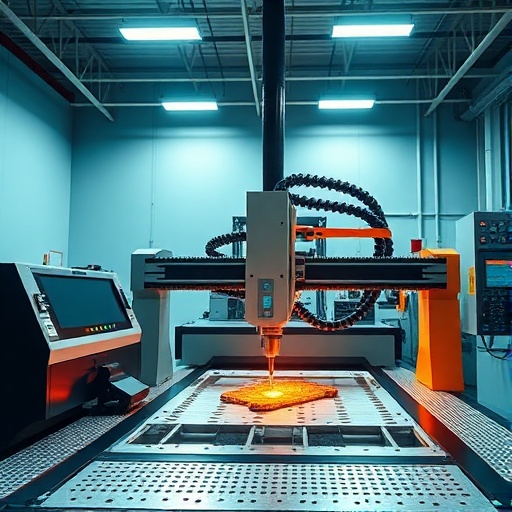
Evaluate equipment capability first. Confirm the provider runs true five-axis machines with sufficient travel and power for your thickness range. Review sample parts for edge quality and dimensional accuracy. Ask about material handling capacity and typical lead times for repeat orders. Certifications such as ISO 9001 indicate consistent processes. Clear communication on file formats and revision control prevents delays once production begins.
Comparing 5 Axis Laser Cutting Services
Shops differ in machine brands, software platforms, and operator experience. Some specialize in thin-gauge decorative work while others focus on heavy plate for construction equipment. Request quotes that break out setup fees, per-part pricing, and any secondary operations. Visit facilities when possible to observe workflow and cleanliness. Compare turnaround on identical test parts to gauge real performance rather than advertised claims.
Industry-Specific Applications: HVAC, Stamping, and Beyond
HVAC contractors order 5 axis laser cutting services for custom elbows, transitions, and access panels that fit existing duct runs. Stamping houses cut die https://www.metalcraftspinning.com/5-axis-laser-cutting/ components and wear plates with precise bevels that improve tool life. Beyond these sectors, medical equipment makers produce surgical instrument trays and architectural firms create ornamental metal screens. Each application benefits from the same core advantages: speed, accuracy, and design freedom that only five-axis motion provides.